Le LIRA, pionnier en astrophysique et en instrumentation, repousse les limites du savoir
LIRA
Laboratoire d’instrumentation et de recherche en astrophysique
LENS : LIRA – L’Encadré de la Semaine
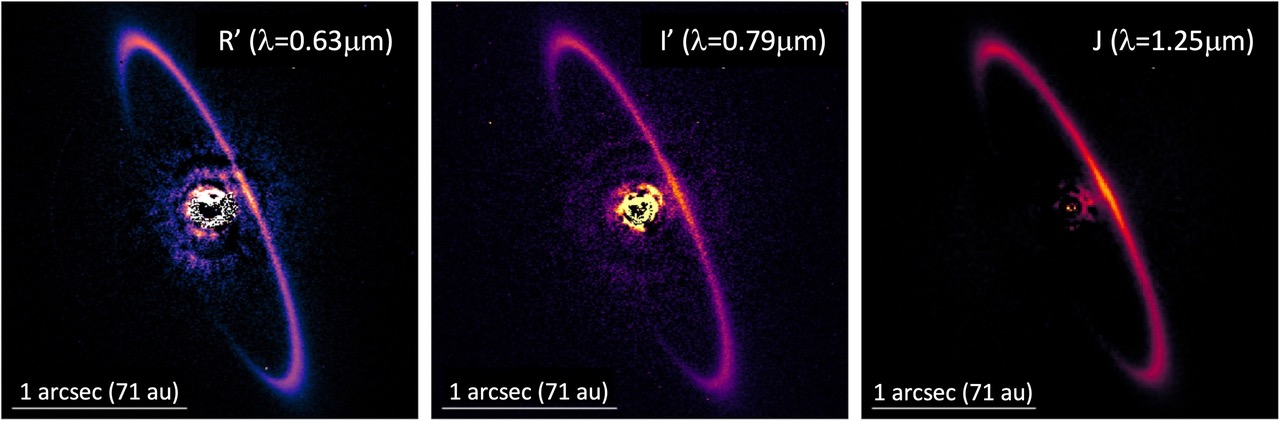
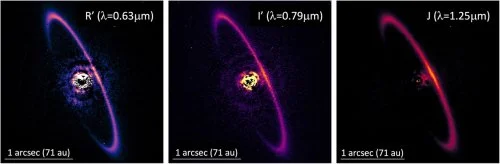
Crédit : Bonduelle, Milli et al. / SPHERE-VLT / ESO
La poussière dans l’œil de Sauron
19 octobre 2026Autour de l’étoile HR 4796, située à environ 71 parsecs, un anneau étroit de poussières diffuse la lumière de l’étoile avec une forte polarisation. Observé avec l’instrument SPHERE du VLT dans trois filtres (R’ à 0,63 µm, I’ à 0,79 µm et J à 1,25 µm), ce disque de débris apparaît comme un « œil de Sauron » cosmique : un anneau très incliné, situé à environ 80 unités astronomiques de son étoile. L’analyse polarimétrique indique que la lumière est diffusée par de gros grains absorbants, probablement riches en minéraux opaques comme les sulfures de fer, davantage proches de poussières astéroïdales évoluées que de poussières cométaires primitives. Ces résultats, auxquels contribue notre collègue Robin Sultana du LIRA, éclairent la composition et l’évolution des poussières dans les jeunes systèmes planétaires.
SÉMINAIRE jeudi 22 octobre 2026 11:00
Séminaires du pôle Étoiles et Galaxies Using Stellar Chemistry and Phase-Space Distribution to Constrain Galactic Potential Parameters & Accretion History
Séminaires du pôle Étoiles et Galaxies Using Stellar Chemistry and Phase-Space Distribution to Constrain Galactic Potential Parameters & Accretion History
SÉMINAIRE vendredi 30 octobre 2026 11:00
Séminaires du pôle Systèmes Exoplanétaires A Multi-Epoch VLT/SPHERE Protoplanetary Disk Imaging Survey — SAFFRON
Séminaires du pôle Systèmes Exoplanétaires A Multi-Epoch VLT/SPHERE Protoplanetary Disk Imaging Survey — SAFFRON
Actualités
Actualités institutionnelles
18 octobre 2026
Solar Orbiter à l’honneur du Grand Prix 2026 de l’Académie de l’air et de l’espace
Actualités scientifiques
16 octobre 2026
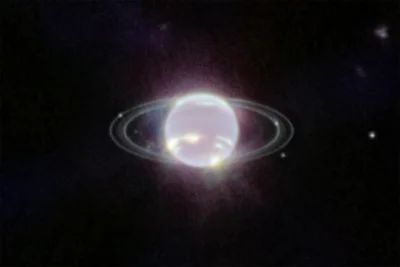
Découverte d’un nouvel arc dans l’un des anneaux de Neptune

Actualités institutionnelles
7 octobre 2026
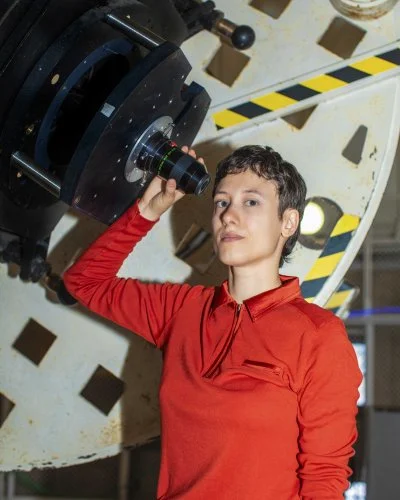
Irène Urso, lauréate du 20e prix L’Oréal-UNESCO Pour les Femmes et la Science France
Actualités scientifiques
6 octobre 2026
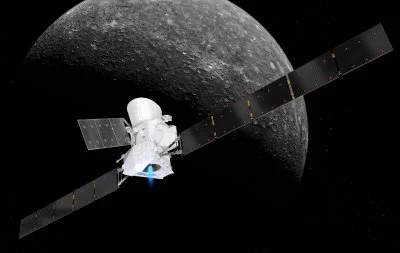
BepiColombo ouvre ses yeux : première image de l’instrument SIMBIO-SYS

Actualités institutionnelles
24 septembre 2026
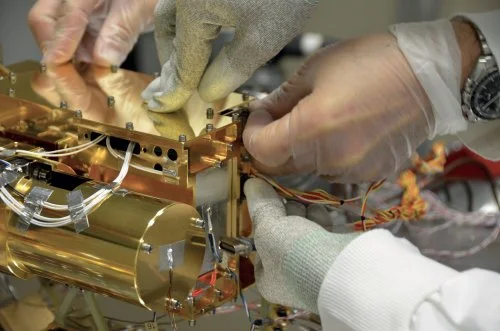
Athéna Coustenis reçoit la médaille Charles A. Whitten 2026 de l’AGU
Présentation
Le LIRA, unité mixte de recherche du CNRS à l’Observatoire de Paris, est un laboratoire d’excellence en astrophysique et instrumentation. Il étudie les objets astrophysiques, du Système solaire à notre Galaxie et au-delà, à travers cinq pôles thématiques. Grâce à la collaboration internationale et l’innovation instrumentale, il repousse les frontières de la science et contribue à la formation et à la diffusion du savoir.
Nos projets
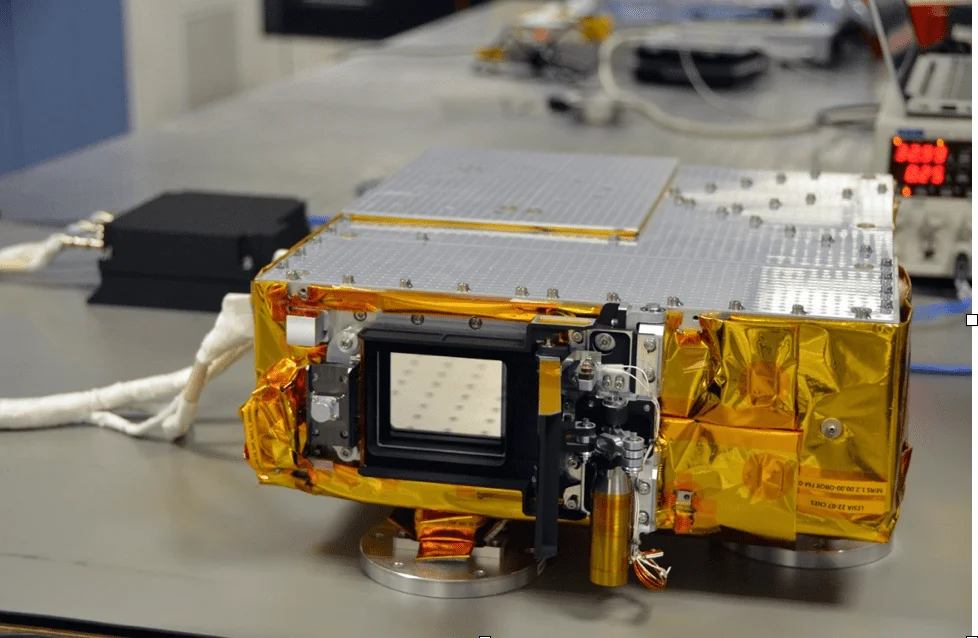
MIRS sur la mission MMX de la JAXA
La mission Martian Moons eXploration (MMX) de la JAXA (Japan Aerospace Exploration Agency) est la première mission de retour d’échantillons du satellite Phobos. Elle prévoit également une exploration du système de la planète Mars. L’objectif principal de la mission est de déchiffrer l’origine des lunes martiennes, ce qui fournira des informations importantes sur la formation des planètes et sur les conditions d’apparition de l’eau sur les planètes de type terrestre.
L’instrument MIRS (MMX InfraRed Spectrometer), développé sous la responsabilité du LESIA (devenu LIRA), est un spectromètre imageur qui permettra de caractériser la composition du système martien et contribuera à sélectionner les sites candidats pour prélever des échantillons.

GRAVITY+
L’instrument GRAVITY, installé sur l’Interféromètre du Very Large Telescope de l’European Southern Observatory (VLTI/ESO), a permis des résultats spectaculaires et transformatifs sur le trou noir supermassif au centre de la Voie lactée, les noyaux actifs des autres galaxies, les disques proto-planétaires autour des étoiles jeunes et les exoplanètes. GRAVITY+ vise à moderniser, tout à la fois, le VLTI et GRAVITY pour les rendre ≈ 100 fois plus sensibles tout en augmentant d’un facteur ≈ 100 la couverture du ciel et d’un facteur ≈ 10 le contraste au voisinage des objets brillants. Ces gains bénéficieront à l’ensemble des instruments actuels et futurs du VLTI pour les 20 ans à venir, et le pérenniseront comme une infrastructure unique au monde.

PLATO
La mission PLATO (PLAnetary Transits and Oscillation of stars) a été sélectionnée en 2014 par le Comité du Programme Scientifique de l’ESA dans le cadre de son programme Cosmic Vision, pour un lancement prévu fin 2026. Ce télescope spatial permettra de découvrir et caractériser des systèmes planétaires comparable au Système solaire.
Tous nos projets
Projets en développement
Projets en exploitation
Projets passés
Contacts
Contacts
Adresse postale
Observatoire de Paris
5, place Jules Janssen
92195 Meudon
Téléphone
01 45 07 77 01

Site de Meudon
LIRA
Observatoire de Paris
5, place Jules Janssen
92195 MEUDON Cedex
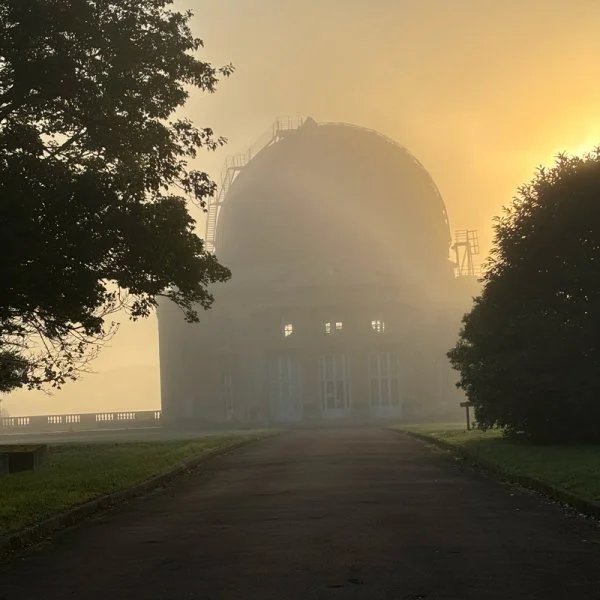
Site de Paris
LIRA
Observatoire de Paris
77, Avenue Denfert-Rochereau
75014 Paris

Site de Cergy
LIRA - Site de Neuville II
UFR Sciences et Techniques - Département de physique
5, mail Gay Lussac
95000 Neuville-sur-Oise